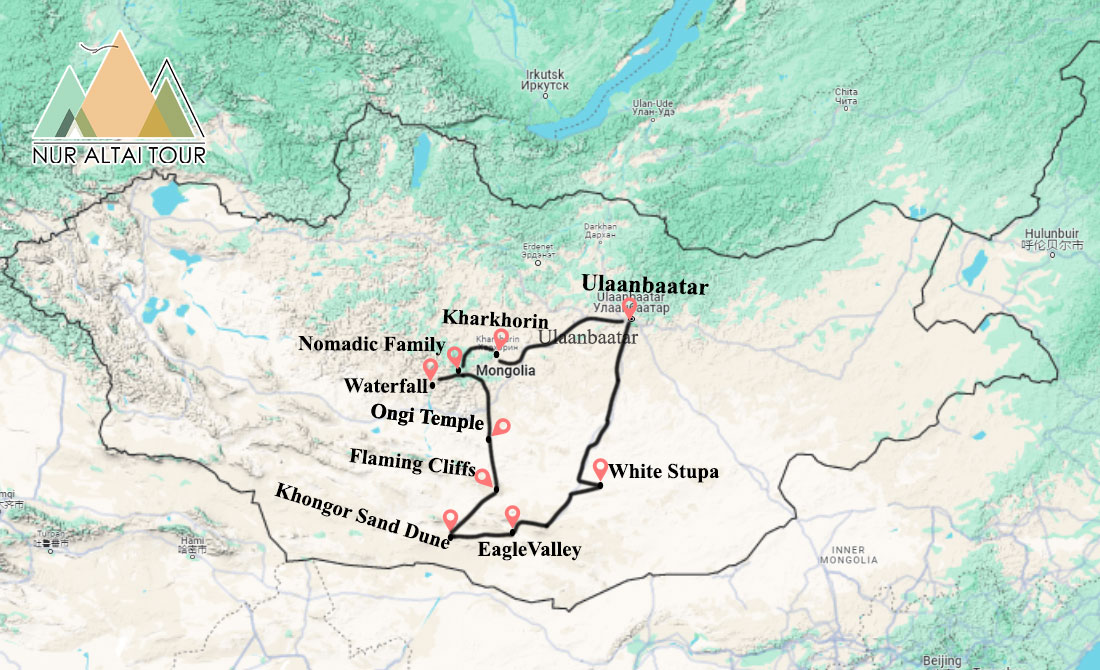
Our cultural journey begins in Southern Mongolia’s Gobi region, where breathtaking canyons, sandy deserts, and majestic mountains await. We’ll embark on camelback to explore the vast sand dunes, connect with local families, capture stunning canyon vistas, and uncover the region’s hidden gems. Venturing beyond the southern highlights, we’ll delve into history at Kharkhorin, the ancient capital of the Mongol Empire, and visit the Erdenezuu monastery nestled upon its ruins.
Continuing our adventure, we’ll journey to western Mongolia to meet the renowned eagle hunters and witness the age-old tradition of golden eagles in the wild. Here, amidst the rugged beauty of the mountains, we’ll witness nature’s raw power and immerse ourselves in the rich culture of the region.
Throughout our travels, accommodations in Ulaanbaatar and the Gobi will provide modern comforts like electricity, hot showers, and plush bedding in hotel rooms and traditional ger camps. In the western wilderness, we’ll stay with local families, equipped with all the essentials for a comfortable stay, including the expertise of our own professional cook.

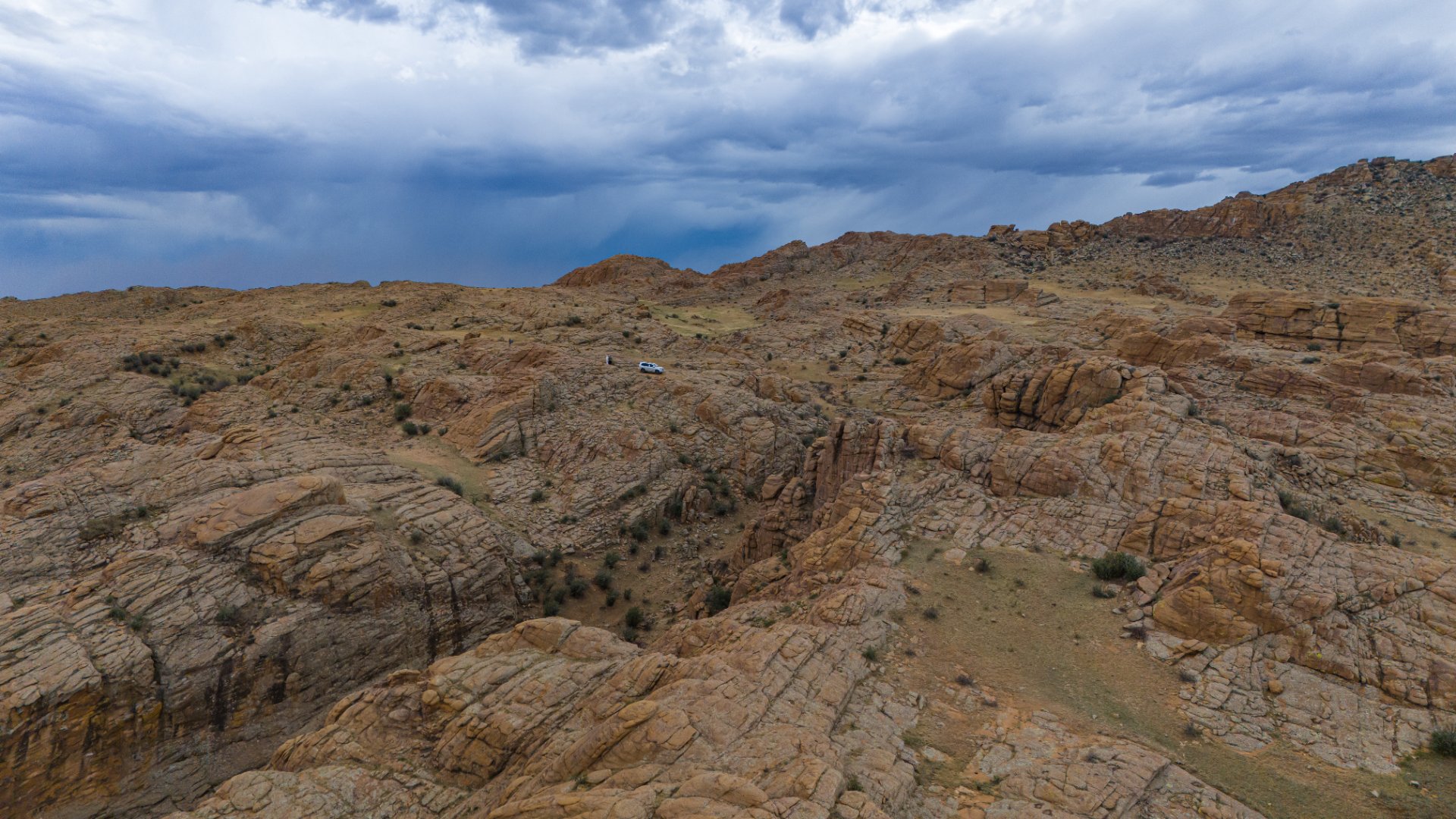
This morning, we begin our journey by driving south from Ulaanbaatar into the wide-open steppe, watching the landscape gradually transform into the rocky formations of the Middle Gobi region. By afternoon, we arrive at Baga Gazrin Chuluu, a striking granite mountain rising unexpectedly from the vast plains. The area is known for its dramatic rock formations, hidden caves, sacred springs, and rich wildlife.
Upon arrival, explore the rocky valleys and enjoy walking among the impressive granite cliffs shaped by centuries of wind and weather. This is an ideal place to soak in the silence of the Gobi and feel the beauty of untouched nature. Overnight at a tourist ger camp near Baga Gazrin Chuluu.(L/D)
After breakfast, we continue our journey deeper into the Middle Gobi as we drive towards White Stupa (Tsagaan Suvarga), one of Mongolia’s most impressive natural formations. The scenery gradually shifts from rocky granite hills to wide, open desert plains. Along the way, enjoy the ever-changing colors of the steppe and the peaceful emptiness that defines the Gobi region.
By afternoon, we reach White Stupa, a stunning 30-meter-high limestone cliff formation shaped like ancient ruins. Its dramatic layers of white, red, and orange glow beautifully in the afternoon light, making this an excellent spot for photography and short hikes. Wander along the canyon-like edges and take in the panoramic views of the vast desert below.
Overnight at a tourist ger camp near White Stupa.(B/L/D)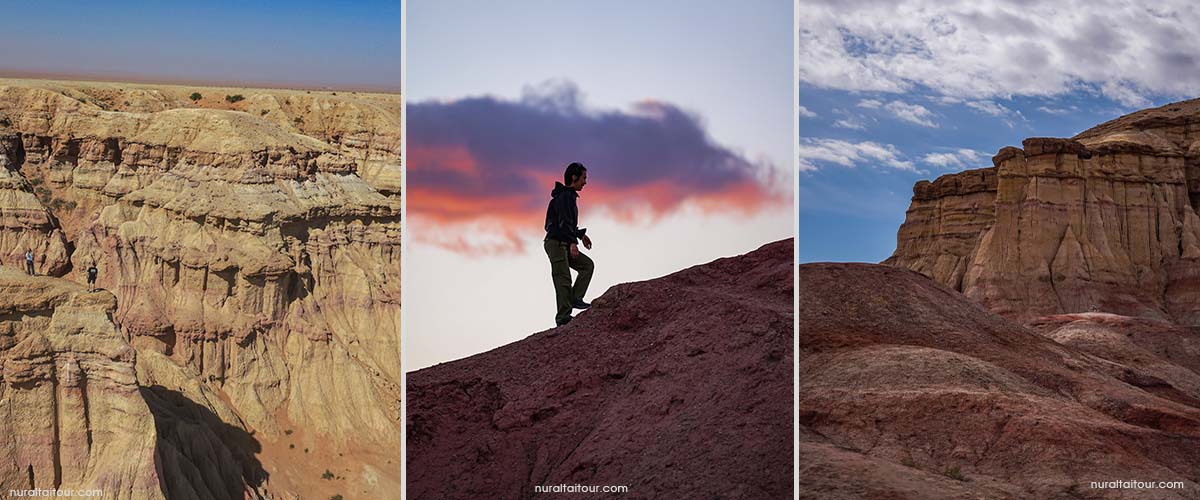
You’ll head to the Yol Valley, also known as Lammergeier Valley, in the Gobi Gurvan Saikhan Mountain National Park /Three Beauties of the Gobi/ for about 3-4 hours. This valley is a beautiful spot nestled in the Gobi desert, with thick ice almost year-round. The cliffs are incredibly high, blocking much of the sunlight, which helps the snow to stick around even in the summer. If you visit before August, you’ll encounter a glacier among the rocky cliffs as you ascend towards the ravine. Exploring the valley usually takes around 2-3 hours. For the remainder of the day, you can relax at the Mongolian Ger tourist camp, where you’ll have access to a hot shower. All the Gers are equipped with comfy mattresses and crisp white blankets.(B/L/D)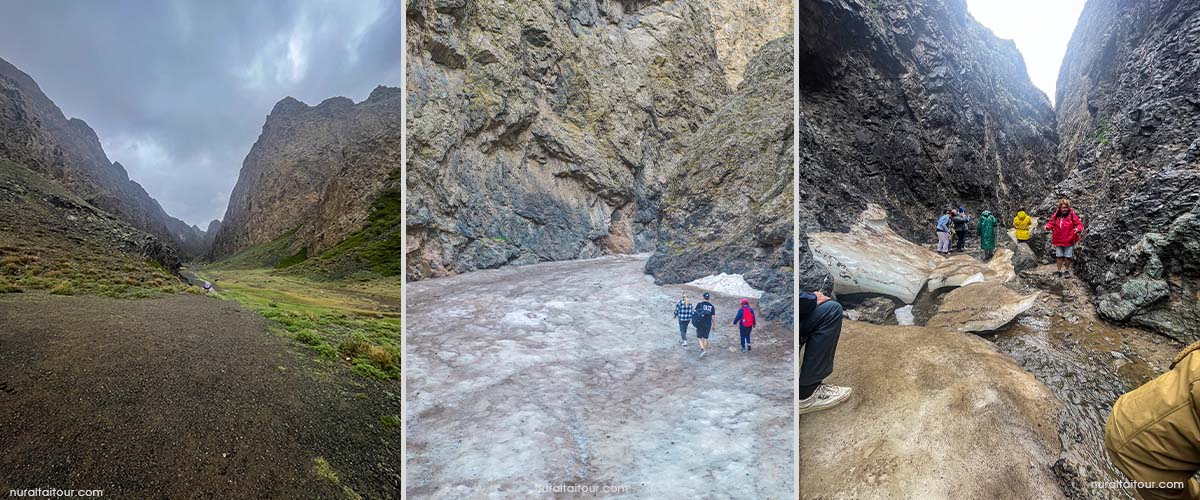
Embark on a journey to Khongoryn Els, the largest sand dune in Mongolia, towering up to 300 meters high. The drive covers about 200 kilometers, taking roughly 4 to 5 hours to reach the destination.
You’ll visit a local camel herder family, where you’ll also experience riding Mongolian Bactrian camels. As your first experience of Gobi, you’ll explore the Khongor sand dune on the camelback. The dual-humped Bactrian camels offer a smooth riding experience due to their leisurely and gentle pace and our camel guide ensuring a safe journey through the sandy terrain. You’ll also get to discover the beauty of the Seruun-Bulag oasis nestled amidst the dunes.
One of the highlights of the Khongor sand dune is climbing Duut Mankhan, also known as Sounding Dunes, for the sunset. It’s very challenging but quite safe. Climbing up is a blast, as the dune’s steep slope makes your feet slip with each step. Once you reach the summit, you’ll be treated to a breathtaking view of nature, with unusual vibrant hues of the setting sun.
It’s typical for cloud cover in the desert to be sparse, which keeps the sky clean. This gives you a chance to gaze at the countless stars that adorn the night sky. Overnight at the tourist camp with a hot shower, white blankets.(B/L/D)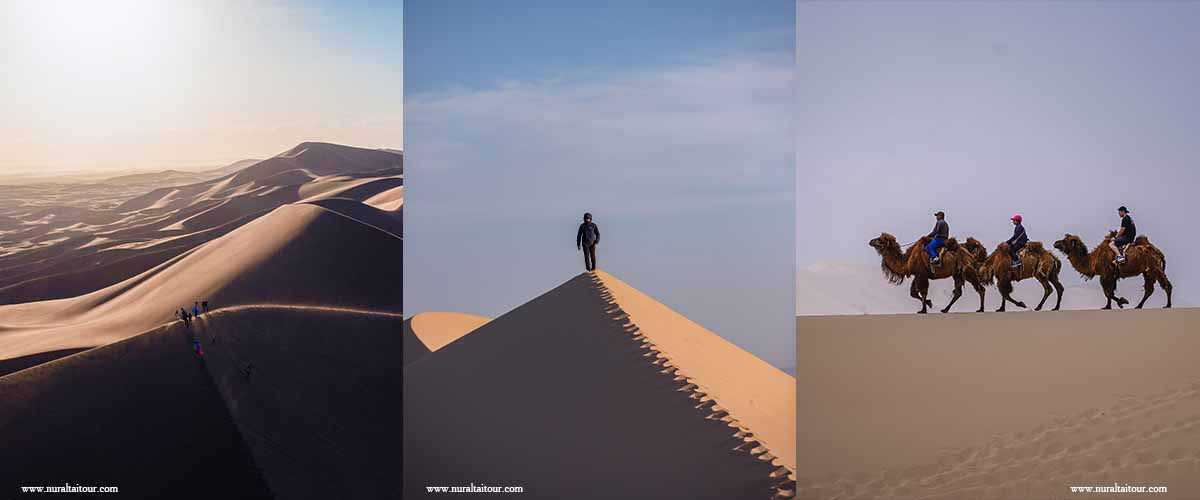
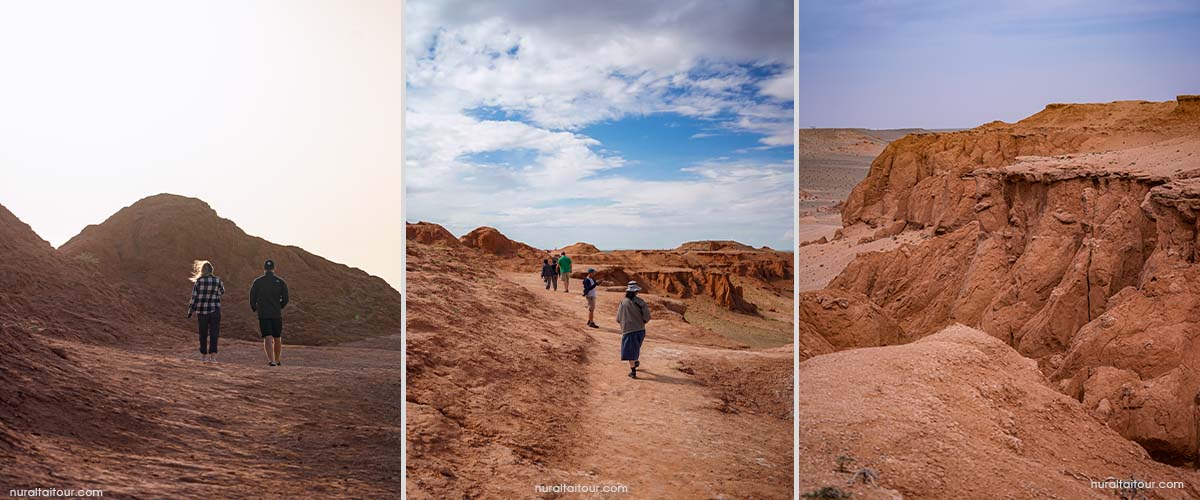
After breakfast, we leave the towering dunes of Khongor and drive east across the wide-open desert landscape toward one of the Gobi’s most legendary sites—the Flaming Cliffs (Bayanzag). Along the way, enjoy the peaceful emptiness of the Gobi, where mirages shimmer on the horizon and herds of camels graze freely.
By afternoon, we arrive at Bayanzag, a place famous for its dramatic red sandstone formations and its groundbreaking paleontological discoveries. This is where explorer Roy Chapman Andrews unearthed the first-known dinosaur eggs in the 1920s, earning the cliffs international fame. The warm light of late afternoon ignites the cliffs in deep shades of orange and red, creating the “flaming” effect they are known for.
Spend time walking along the ridge, exploring the canyons, and taking in the stunning desert scenery. This area is also home to a saxaul forest—an important desert ecosystem unique to Central Asia.
Overnight at a tourist ger camp near the Flaming Cliffs.(B/L/D)
This morning, we continue our journey northward across the desert plains toward the historic Ongi Temple Ruins, nestled along the banks of the Ongi River. The drive offers classic Gobi landscapes—vast open steppe, endless horizons, and occasional nomadic families tending their herds.
By midday, we arrive at Ongi Temple (Ongiin Khiid), once one of the largest monasteries in Mongolia before its destruction in the 1930s. The ruins are spread across two sides of the river valley, with remnants of temples, meditation halls, and stone foundations still visible today. A short walk allows us to explore the site, learn about its tragic history, and appreciate the monastery’s significance to Mongolia’s Buddhist heritage.
The peaceful river valley and surrounding hills make this a relaxing stop, offering time for gentle hiking and photography. Overnight at a tourist ger camp near Ongi Temple.(B/L/D)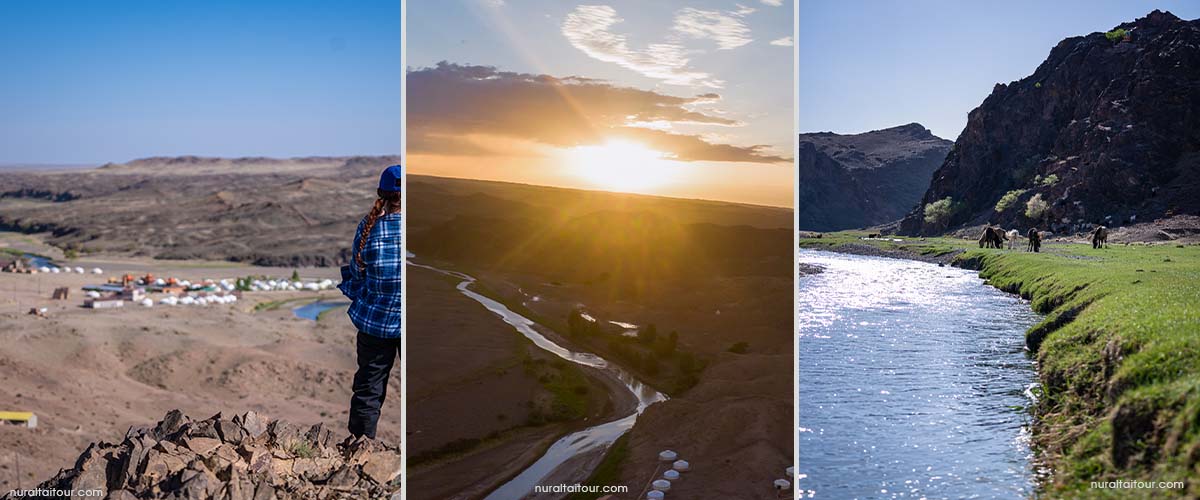
You’ll drive to Ulaanbaatar for about 4-5 hours covering 370 kilometers on paved roads. Upon reaching Ulaanbaatar, you’ll embark on a city tour, where you can opt to go shopping for souvenirs or visit various sightseeing spots in Ulaanbaatar, as discussed with your tour guide.(B/L)
The payment is encrypted and transmitted securely with an SSL protocol.


© 2025 Nur Altai Tour All Rights Reserved.